 713-722-7800
4 Benefits of ERRC Systems
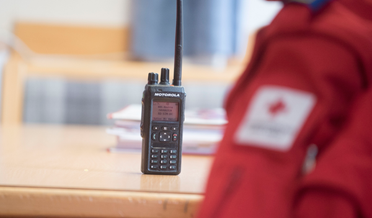
Emergency Responder Radio Communications (ERRC Systems): The Benefits of Lifeline Communications
Emergencies are chaotic. Many times, communication can be disrupted, compounding the situation. Having reliable and clear communication is a lifeline that can turn the unpredictable into the manageable. For first responders, the ability to communicate effectively is the difference between success and disaster, between life and death.
This is where Emergency Responder Radio Communications (ERRC systems), specifically Distributed Antenna Systems (DAS) and Bi-Directional Amplifiers (BDA), prove to be indispensable, offering a robust solution to the critical challenges faced by first responders.
Top Benefits of Emergency Responder Radio Communications (ERRC Systems)
1 Elimination of “Dead Zones”: Thick concrete, steel, and other dense building materials, along with consistent radio frequency interference, create barriers that can disrupt standard radio communication. These architectural and environmental obstructions lead to dead zones where emergency responder radios cannot get a signal. Fire Safe Protection Services understands that these dead zones are not just an inconvenience but a significant threat to coordinated emergency efforts.
2 Improved Fire Command Efforts: Fire commanders can maintain constant contact with teams inside a burning building, receiving real-time updates on conditions, directing movements, and coordinating strategies. This seamless flow of information allows for quicker, more informed decisions, which are crucial when every second counts.
3 Improved Dispatch Communications: Responder teams are able to receive reliable updates from dispatch centers, even when inside large structures that could potentially block radio signals. Coordinated communication makes everyone aware of evolving situations to allow teams to respond appropriately and quickly. The clarity and consistency of these communications prevent misunderstandings and enable a rapid, coordinated response to any developing situation.
4 Emergency Responder Safety and Accountability: When team radios function optimally, incident commanders are able to maintain a precise assessment of personnel status and location. Real-time accountability is vital for managing resources, ensuring no one is left behind, and providing immediate assistance if a responder encounters trouble. A breakdown in communication can block or distort calls for assistance, situation updates, and safeguarding the lives of those dedicated to protecting others.
Houston’s Building Codes Mandate ERRC Systems for Enhanced Safety
The critical importance of ERRC systems is underscored by evolving building codes and regulations. For instance, the Houston Construction Code has mandated ERRC systems in all buildings constructed since June 6, 2018. Such mandates ensure that new constructions are inherently safer for both occupants and the emergency personnel who might respond to incidents within them.
Beyond Compliance: Fire-Safe Ensures Critical ERRC Systems Deliver Lifesaving Communication
For these vital systems to function as intended, they must be meticulously designed and installed by certified professionals. Compliance with FCC regulations and local fire codes is not just a legal formality but a guarantee of the system’s reliability and effectiveness when it is most needed.
Fire-Safe, through its expertise in DAS, BDA, and ERRC solutions, plays a pivotal role in ensuring that these life-saving communication infrastructures are in place, providing the robust and clear radio signals that empower emergency responders to protect communities and save lives.
Contact Fire Safe Protection Services today at 713-722-7800 or visit our online form, and we will be in contact as soon as possible about your DAS, BDA, and ERRC questions.
1 https://in-buildingwireless.com/wp-content/uploads/2023/02/Houston-CE_1350-ERRC-Guideline-Revised-11-16-2022.pdf