
 713-722-7800
9 Patio Heater Safety Tips
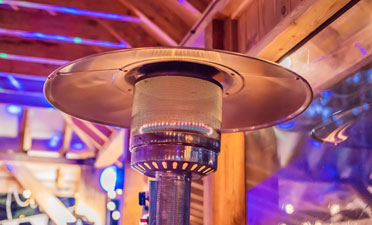
Patio Heater Safety Tips
Some people are so drawn to outdoor living that cooler temperatures are not enough to keep us inside. If you are always looking for an excuse to entertain outdoors, perhaps you have considered a propane pedestal heater to extend the use of your deck or patio. Restaurant owners often use them in outdoor dining spaces; they give just the right amount of warmth on days with a little nip in the air.
If you are in the market, be advised that you are not alone. Online searches are up for outdoor heating options are up significantly over the last few years, as homeowners seek outdoor entertaining opportunities that increase guests’ comfort levels. However, propane patio heaters offer several advantages over wood-burning fire pits in a patio setting.
It is much easier to control the temperature of a propane fire compared to a wood fire; at first, wood fires burn hot, then cool down, while propane gives off a constant warmth. Wood fires also create a lot of smoke, sparks, and ash that you will not experience with a propane patio heater.
Since propane pedestal heaters do use an open flame, they are not entirely without risk. Here are nine Patio Heater Safety Tips to remember while using your patio heater:
- Make sure that you read the manufacturer’s directions and instructions before you use or store the heater.
- Find the right size heater for your space. Most portable propane heaters effectively warm a space approximately 20 feet in diameter. The average patio or deck would be kept comfy warm on a chilly night with one propane heater; if you have a larger space, this guideline will help you determine how many heaters are needed for the space.
- Propane heaters are for outdoor use only; never use them indoors or in confined outdoor spaces, such as a tent or covered patio.
- The typical propane heater is attached to a propane tank at the base. The tank contains 20 lbs. of propane or approximately 430,000 BTUs. The standard heater will burn 40,000 BTUs per hour, so the tank will last about 10 ½ hours.
- When you store a propane tank, make sure the tank remains in an upright position, is secured from jostling, away from direct sunlight and other flammable materials. A detached garage or shed will do.
- Make sure to position the propane heater a safe distance from any flammable material; be mindful of eaves and overhanging tree limbs. Check the instruction manual for recommended distances. Be mindful of vertical and horizontal clearances.
- Make sure the heater is positioned on a smooth, level surface, with no danger of tilting. Be mindful of windy conditions.
- When you buy a heater, look for the following features:
- Insist on a CSA Safety rated propane heater. CSA rating ensures you that the product has passed safety inspection and received certification.
- A propane heater with a thermocouple. The thermocouple is a valve that shuts off the gas should the flame be blown out by the wind.
- Many models also feature a shut-off valve in the event the unit tips too far.
- When your outdoor event is over, make sure to let the heater cool and store the unit in a secure spot. Cover your heater to keep it clean and free from debris and make sure it is secure from tipping. If left outside, exposed to the weather, the rain, sleet, and snow can damage the burner elements.
Have questions about Patio Heater Safety Tips?
Call Fire Safe Protection Services today at 713-722-7800 or visit our online form and we will be in contact as soon as possible about Patio Heater Safety Tips.