
 713-722-7800
Maintaining Dry Sprinkler Systems
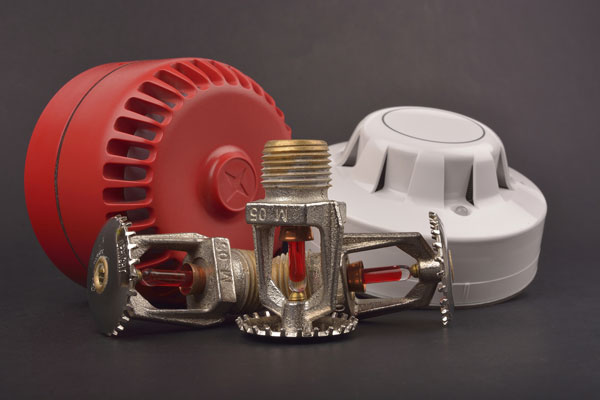
Maintaining Dry Sprinkler Systems for Business Owners
The second most common type of fire sprinkler used in the US is a dry sprinkler system. Don’t be fooled by the name—this system still uses water to suppress a fire at the source and does it nearly as quickly as wet sprinkler systems. Dry sprinkler systems can be used in spaces that a wet system cannot.
Dry sprinkler systems are primarily used when the space is exposed to freezing or potentially freezing weather. Most often they are installed in outdoor spaces, unheated garages, warehouses, or attics. They are also commonly installed with coolers or freezers to provide fire protection in spaces that cannot be protected otherwise.
Dry systems receive this name because the portion of the lines exposed to cold temperatures contains no water. Like wet systems, a valve at the sprinkler head is sensitive to heat. When activated, the valve opens and releases everything behind it, normally compressed air, or nitrogen in the portion of the line exposed to cold temperatures. The compressed gas holds a valve in the closed position which keeps the water in reserve above the heated space. Once the valves open water is sprayed directly over the source of heat. There is a slight delay as the compressed gas empties the line, but the result is still immediate extinguishing of the fire.
All sprinkler systems require regular maintenance to avoid corrosion and sediment build-up. Maintaining Dry Sprinkler Systems require further maintenance in the dry portion of the line. When compressed air cools water condenses and pools in the lines. These lines are installed with a pitch so that water drains to a designated location. Not only does water in the line encourages rust/corrosion, but it can also freeze and clog the sprinkler head at an inopportune time.
- Condensation should be drained quarterly
- The dry system valves should be tested annually
- The flow should be tested every three years
Draining the condensation before winter weather avoids the danger of it freezing, hampering emergency use. If water passes beyond the dry valve, water in the exposed sprinkler lines can freeze. Ice in the lines will not extinguish a fire and a line full of water is also in danger of a burst pipe. While an outdoor burst pipe is less likely to cause serious damage, water dumped on the ground, and freezing in vital areas will be very inconvenient. In addition, these expensive repairs are totally avoidable.
In your facility including dry sprinkler systems, completing “winterizing” maintenance is extremely important to keep the system intact and functioning properly. Schedule your inspection of the dry lines according to the cold temps in your area. Poorly Maintaining Dry Sprinkler Systems can lead to disastrous results.
Have a question about Maintaining Dry Sprinkler Systems?
Call Fire Safe Protection Services today at 713-722-7800 or visit our online form and we will be in contact as soon as possible about your questions regarding Maintaining Dry Sprinkler Systems.