
 713-722-7800
Common Fire Sprinkler System Obstruction Issues
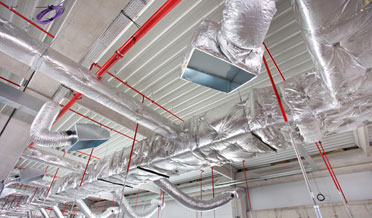
Fire Sprinkler System Obstruction: Common Causes & Remedies
When fire sprinkler systems were first introduced in the mid-1870s, it took some time before they gradually found acceptance as essential safety equipment. Sprinkler systems became so effective at extinguishing fires, that by the 1960s they became mandatory in new commercial buildings. When deployed during a fire event, they are successful 97% of the time, and 77% of these fires require only one fire sprinkler head.1
However, fire sprinkler systems, by design, should be idle all the time. The network of pipes is small—most are 1” in diameter, and the sprinkler heads are small to disperse the water in a wide pattern. While the design is very effective, their size makes both pipes and sprinkler heads susceptible to developing obstructions. Finding an Fire Sprinkler System Obstruction WHILE the sprinkler is being deployed can have disastrous consequences. Here is a list of the five most common sources of fire sprinkler system obstruction and steps to discovering them as the system is idle.
Common Sources of Fire Sprinkler System Obstruction
There are three basic components of sprinkler systems: water, metal (steel is the most common), and the presence of oxygen. The water is supplied by the local water utility, with local mineral and biological particulates in suspension. Filtration and treatment remove most of these suspended solids, but there is always a minute amount present. These minute amounts are responsible for the obstructions that develop.
- Foreign Materials. Most fire sprinkler systems source water from a water utility, but a small number of facilities use water from a local pond or stream. These systems can draw in both organic matter—leaf litter and small creatures, and inorganic material—sand or gravel. Screening is a must if you use a raw water source, but you should anticipate obstructions as a result, not only from the size of material drawn from the raw water but also from the obstruction causes listed below.
- Biological Growth. Unfiltered or untreated water can introduce living matter into the network of pipes that can grow and produce various types of obstructions. Once biological growth begins, it is extremely difficult to remove. Many living creatures thrive in wet, dark, stagnate environments. Algae, bacteria, and viruses represent the flora family, while insects, crustaceans, and zebra mussels (entering as larvae) represent the fauna family.
As you explore the most common sources of fire sprinkler obstructions, the source of water seems to be a common denominator for potential problems. For best results, find a water source that is chlorinated and/or treated to remove biological agents.
- Mineral Salts. Water is a very active solvent; as it moves through layers of soil and rock, it picks up traces of the most abundant minerals. Water treatment removes a vast quantity of minerals, but the remaining items have two consequences. The first is a very thin layer of minerals that coats surfaces: calcium carbonate, magnesium salt, and iron salt (rust) deposits can lead to obstructions. The good news—after the existing mineral salt deposit, the amount should not increase without the introduction of new water.
- The presence of dissolved mineral salts in the water creates another, bigger problem. These particles cause the water to become an electrolyte; the water and steel of the pipe network begin an electrochemical reaction that produces corrosion. The corrosion can add material to the walls of the pipe (obstructions) or remove material from the walls of the pipe (corrosions). Some reactions create both obstructions and corrosion; rust is a good example.
- Fire sprinkler systems that are exposed to extremely cold temperatures should not be charged with water. When a sprinkler system network does freeze, it will not function in the event of a fire. These spaces should be designed with a dry fire sprinkler system that uses compressed air to fill the network exposed to the cold temps.
The National Fire Protection Association prepared guidelines for the inspection and testing of fire sprinkler systems to reduce the potential for Fire Sprinkler System Obstruction and system failure during a fire event.2 These guidelines require periodic internal pipe inspections and obstruction inspections.
Have a question about Fire Sprinkler System Obstruction Issues?
Call Fire Safe Protection Services today at 713-722-7800 or visit our online form and we will be in contact as soon as possible about your questions regarding Fire Sprinkler System Obstruction.
1 https://www.nfpa.org/-/media/files/news-and-research/fire-statistics-and-reports/suppression/ossprinklers.pdf
2 https://www.nfpa.org/codes-and-standards/all-codes-and-standards/list-of-codes-and-standards/detail?code=25