
 713-722-7800
Pre-Action Sprinkler Systems: What You Need to Know
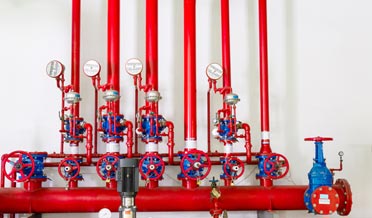
Pre-Action Sprinkler Systems 101
Commercial fire protection systems are designed to uniquely match the facility in which they are installed. The design is based on many factors, including the size of the spaces, the equipment and content of the spaces, and, most importantly, the people inside the spaces. For the best results, protective measures must be applied immediately to the source of a fire.
Water efficiently extinguishes some types of fires, but it is not always the best fire protection solution. Facilities that house important documents, such as museums or archives, or significant electronics, such as server rooms, do not deal with water well. However, they also do not deal with fire well, either.
Normal Fire Sprinklers
Water sprinklers are a network of pipes that distribute water to protected spaces. Each sprinkler head uses a glass trigger filled with liquid. In the presence of high heat, the liquid expands, breaking the glass and releasing the water to the source of the heat. The application of water at the source of the heat/fire is immediate.
While this system is extremely effective, the system is also susceptible to mistakes and accidents. A ladder accidentally bumping a sprinkler head may break the glass and release the trigger. A momentary heat source can also trigger the sprinkler head without a fire event. These are unacceptable risks for sensitive spaces.
Pre-Action Sprinkler Systems
Pre-action sprinklers use water to extinguish a fire but employ precautions to avoid mistaken or accidental release of water. In the spaces surrounding sensitive material or equipment, the pre-action sprinkler pipe network is empty, or it may contain an inert gas, such as nitrogen. A valve remotely holds the water from the sensitive spaces until needed. At this point, if a sprinkler head is accidentally bumped or an alarm is accidentally triggered, no water will leak from the network. This is the first safeguard.
The valve that holds the water back will open in the event of a fire or smoke alarm. The water rushes through the sprinkler network and is held in check until the heat from a fire triggers the sprinkler head. In systems filled with nitrogen, the nitrogen is released when the water rushes in. At this point, the water is available in case of a fire event, but a mistaken alarm has been avoided.
The heat from a fire will now trigger a sprinkler head. However, the heat will only affect the sprinkler heads in the immediate vicinity of the flame. This preserves the entire structure and the contents of the facility. It also limits water damage to the immediate vicinity of the flame.
If you have questions about Pre-Action Sprinkler Systems, we can help.
Call Fire Safe Protection Services today at 713-722-7800 or visit our online form and we will be in contact as soon as possible about your Pre-Action Sprinkler Systems questions.