
 713-722-7800
Fire Sprinkler Retrofit
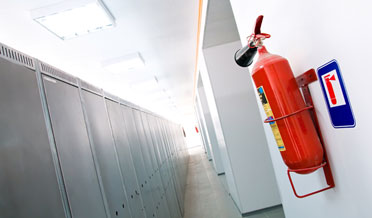
Fire Sprinkler Retrofit Guide for Business Owners
Fire sprinklers have a long history of saving lives and property by stopping a small fire in place or slowing the spread of fire to allow occupants to escape the blaze. Sprinkler systems need to be inspected and maintained regularly. Occasionally sprinkler systems need to be retrofitted and improved.
Since most of the pipe network required for sprinkler systems are behind finished surfaces, retrofitting a system might seem overwhelming. However, assistance from professionals can make the process much easier.
Reasons for Fire Sprinkler Retrofit
Most existing commercial facilities have a fire sprinkler system installed during construction. Retrofits happen for several common reasons.
- System failure. If regular inspection reveals corrosion or sediment has compromised the system, it may require the system to be dismantled and restored.
- Renovation or expansion of the facility. Enlarging a building footprint may require additional capacity that might overwhelm an existing system.
- Change of building use. Adding a building use to an existing building might also require a system retrofit.
- A fire event.
An existing fire sprinkler system is “grandfathered” to the building code that was in place when the structure was built. Whenever any of these or other reasons for retrofit happen, regulations will require the upgraded system to meet existing building codes.
Fire Sprinkler Retrofit and upgrading a major building system might be expensive and time consuming. However, there are definite safety benefits.
- Fire safety research is constantly changing due to available data from real fires. Equipment is developed in response to the research. For the safety of occupants and property, it is beneficial to have this “cutting-edge” technology in place.
- The goal is to never need to use the fire sprinklers. If you have been successful in this matter, the older equipment can become vulnerable to corrosion and sediment. A retrofit will ensure that disuse (the goal) does not lead to uselessness.
- Each year, the building inspection might mention that while equipment might be grandfathered, it is not currently in compliance with codes. A retrofitted system will change that.
- Improved systems reduce liability and risk. Not only is this a wise financial move, but it also improves occupant safety and provides peace of mind.
How to Begin a Fire Sprinkler Retrofit
If a fire sprinkler system retrofit is in your near future, Fire Safe has a team of safety experts to assist with the tasks. It will begin with:
- An initial assessment, to determine the state of your existing system and the regulatory upgrades the system will require. (Upgrades may include other fire protection equipment beyond the sprinkler system.)
- Research into current equipment options and the latest sprinkler system products.
- Investigate potential problems with combining old and new equipment. Ensure that system addition does not overwhelm the capacity of the existing system. Make sure that the new system is well integrated into the old protection system.
- Plan and design the necessary modifications to both old and new sprinklers and other protection systems.
- Install and test the retrofitted system. (Testing does not require setting off the sprinklers.)
- Commissioning and documenting the system, making sure it complies with building codes.
Of course, no one will be more prepared to follow up with the required regular inspection and maintenance schedule than Fire Safe Protection Services.
Fire Sprinkler Retrofit Guide for Business Owners
Call Fire Safe Protection Services today at 713-722-7800 or visit our online form, and we will be in contact as soon as possible about your Fire Sprinkler Retrofit questions.