
 713-722-7800
9 Point Fire Pump Inspection Checklist
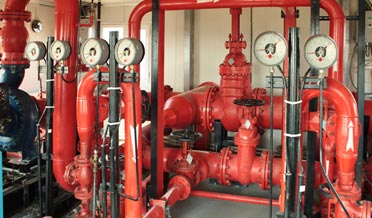
Fire Pump Inspection Checklist for Business Owners
The fire sprinkler system provides a vital portion of a building’s fire protection system. It comprises a network of tubes carrying water and regular sprinkler heads with heat-sensitive triggers. Since many commercial structures have multiple stories and cover thousands of square feet, a fire pump keeps the system pressurized and ready.
Since the whole sprinkler system depends upon water being delivered as needed, fire codes require annual inspection and testing of system fire pumps. That code is found in the National Fire Protection Association 25: Standards for the Inspection, Testing, and Maintenance of Water-based Fire Protection Systems.
The testing and inspection of fire pumps require specialized equipment and training to use the equipment properly. Fire Pump Inspection and testing tasks include:
- A visual inspection of the pump and the surrounding environs. The technician will make a note of any evidence of damage or wear, for leaks or obvious corrosion.
- Inspection of the electrical connections and wiring, ensuring there are no loose connections and power reaches the pump.
- Testing of the control panel and alarm, to ensure it functions as needed. The shutdown switch will be tested for proper functioning.
- Water supply and delivery coupling will be inspected for damages, leaks, and proper alignment of the pipes.
- The mechanical function of the pump will be tested, ensuring the impeller moves properly and the pump is properly lubricated.
- The flow test will measure the water pressure of the whole system and the flow rate of the pump. This can be completed without activating the sprinkler system using specialized test valves to simulate water flow.
- The same test valves will allow the technician to measure the pressure of the fire sprinkler system.
- A similar test evaluates pump performance under a variety of scenarios—both full pressure and reduced flow situations.
- A relief valve will also be tested. This valve opens when the system is over-pressurized, which would break the glass triggers in the sprinkler heads, spraying water into the structure (without cause), and endangering people and property unnecessarily.
The testing data is quite technical and needs to be performed by trained professionals. Every measurement, observation, and detail will be reported. The results are compiled in such a way that pump system function can be compared from year to year. A report is important for:
- A compliance agency that completes fire inspections, checking to ensure a building’s fire protection system is prepared in case of a fire event.
- Building owners/managers for peace of mind, knowing that everything that can be done to keep people and property safe has been done.
- Insurance companies and fire inspectors should a fire event happen.
Fire pump inspection and testing is part of our annual fire protection system compliance program.
Fire Pump Inspection Checklist for Houston Texas
Call Fire Safe Protection Services today at 713-722-7800 or visit our online form, and we will be in contact as soon as possible about your Fire Pump Inspection Checklist questions.