
 713-722-7800
Understanding Fire Sprinklers
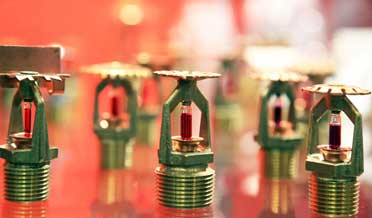
Understanding Fire Sprinklers: Key Components and Maintenance for Optimal Fire Protection
Fire sprinklers are part of the first line of defense against fires in commercial and industrial spaces. They deliver water quickly and directly to fires minutes after the fire starts. This often extinguishes the fire before it has a chance to develop or spread so sprinklers are more than 90% effective at stopping a fire in its tracks before an emergency responder can arrive.
However, many building owners and commercial facility managers might depend on fire sprinklers for fire safety but don’t really know much about them. But that changes now! Here are the essential elements that will help people appreciate and care for fire sprinklers properly.
Valves and Boosters
Fire sprinkler systems are connected to public water sources which may supply water at a range of pressure from 40 to 80 pounds per square inch (psi). This requires both valves and booster pumps.
- Valves enable owners, maintenance crews, and inspectors to isolate the sprinkler system (or a portion of the system) from the water source. This is needed for maintenance and repairs. Valves may also prevent water from flowing backward, a backflow preventer.
- One fire sprinkler head may deliver 8 to 24 gallons per minute, so sprinkler systems may require a booster pump. While 80 psi sounds like adequate pressure, it might not be sufficient to service a tall building or extremely long pipe runs. The booster regulates the water pressure to ensure an adequate water supply.
Pipe Network
For best effect, sprinkler heads are spaced in a network of a 6 square foot grid and that means a lot of pipes are required. Helpful things about sprinkler system pipes include:
- Their composition. Typically, sprinkler system pipes are made of steel, copper, or PVC pipe; the composition is dependent on water quality and budget needs. Water with high mineral content may require one type of pipe, while mildly acidic water may require another type of pipe.
- Their content. Some applications require pipes to remain empty—above freezers or unconditioned spaces, for example. The pipe is filled with air or an inert gas, with a release valve in a conditioned space. A fire triggers the release of gas and the flow of water.
These differences in pipes make sprinkler systems very versatile to accommodate any type of space.
Fire Sprinklers System Heads
These are the most visible portions of a fire sprinkler system, but they are designed to fit unique applications. Any system may include many different designs, based on the facility space and need.
- Some heads are concealed, others are exposed. Careful inspection demonstrates that the sprinkler heads are spaced in a distinct pattern to cover the ENTIRE space.
- Sprinkler heads have a very sensitive heat trigger that reacts very quickly after a fire starts. The trigger is a fluid-filled glass bulb with a small bubble of air inside; the bubble holds the water supply back until it is needed. The heat from a fire causes the air to expand and breaks the glass bulb.
- Despite what you see in the movies, only the affected bulb(s) release water—they all do not release water at once. This limits water damage to the affected area.
- Each head has a deflector that controls the flow of water: sometimes the water flow is deflected 360 degrees for full coverage, but sometimes the direction of the water is controlled to protect people or equipment.
- Sprinkler heads are also affected by water quality. Mineral deposits can interfere with water flow and corrosion can cause heads to leak.
Sprinkler systems harness the power of water for fire protection, but the water forces the system to be checked, inspected, and repaired as needed.
Essential Guide to Fire Sprinklers: Components, Maintenance, and Optimal Protection
Fire sprinklers are a critical defense against fires in commercial and industrial spaces, effectively extinguishing fires before they spread. The system relies on key components like valves, booster pumps, pipes, and sprinkler heads to function efficiently, with each element playing a specific role in fire suppression. Regular maintenance and inspections are necessary to ensure the system operates properly and to prevent issues like mineral buildup or corrosion that could impact performance.
Call Fire Safe Protection Services today at 713-722-7800 or visit our online form, and we will be in contact as soon as possible about your fire sprinklers system questions.