 713-722-7800
Dry Chemical Extinguishing Systems
What is a Dry Chemical Extinguishing System?
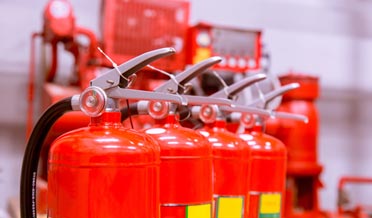
Dry chemical extinguishing systems use compounds like sodium bicarbonate, monoammonium phosphate, potassium bicarbonate, and urea complex to suppress fires. These systems are ideal for automatic fire suppression in various industrial settings. These extinguishers are effective against Class A (ordinary combustibles), Class B (flammable liquids), and Class C (electrical) fires.
How do Dry Chemical Fire Suppression Systems work?
Dry chemical suppression systems can activate automatically or manually. Automatic activation relies on smoke and heat detectors to quickly identify and suppress fires. Whether activated automatically or manually, the dry chemical compounds work by coating the burning material, effectively separating the fuel from oxygen and preventing reignition.
Practical Uses of Chemical Systems
While not the only purpose, chemical fire suppression systems are widely used in industrial settings. Dry chemical suppression systems are frequently found in locations like paint spray booths, gasoline refill stations, and on large off-road equipment. These systems can be designed for either localized or total flooding. Installation and use of these systems are governed by National Fire Protection Association standards NFPA 17 (Standard for Dry Chemical Extinguishing Systems) and NFPA 33 (Standard for Spray Application Using Flammable or Combustible Materials).
What Are The Benefits Of The Dry Chemical Extinguishing Systems?
Fires in industrial settings or gas stations can be particularly dangerous, escalate quickly, and are often explosive, making rapid response critical. In situations where every second counts, a delayed fire suppression system can be ineffective. Dry chemical extinguishing systems offer a superior solution compared to other methods like gas suppression or sprinkler systems and are also cost-effective. While cleanup can be messy, the quick-implementation benefits of protecting property and saving lives far outweigh this drawback.
Dry Chemical Fire Suppression System Maintenance
FireSafe Protection Services, LLC can not only install a custom dry chemical suppression system, but our technicians perform full inspections and routine maintenance. A regularly maintained system ensures that the system is ready for any emergency.
Routine Dry Chemical Extinguishing Systems maintenance includes the following:
- Review of inspection tag to determine if it is current or the date has lapsed.
- Correct labeling of pull stations and manual activation is clearly visible
- No leaks and all seals are intact
- Verify all nozzles are unobstructed, correctly positioned, and functioning.
- Inspect the cylinder and piping network for any visible mechanical damage and ensure it’s operational.
- Confirm the system has been recharged following any discharge.
- Maintain readily accessible supplementary portable fire extinguishers.
- Ensure nozzles provide complete coverage to designated areas.
Our comprehensive Dry Chemical Extinguishing Systems maintenance inspections cover more than just the items listed. While our superior designs and high-quality systems minimize the need for frequent maintenance, we can schedule regular inspections and maintenance, such as every five years, to ensure continued reliability and prevent potential failures.
Dry Chemical Fire Suppression: FireSafe Protection Services, LLC Can Help Protect Your Industrial Settings from Fire Hazards
FireSafe Protection Services offers comprehensive solutions for dry chemical fire suppression systems, from custom design and installation to thorough inspections and routine maintenance. Our expert technicians ensure your system is always ready for emergencies, minimizing downtime and maximizing protection for your property and personnel. With FireSafe, you gain peace of mind knowing your fire suppression system is reliable and compliant with all necessary regulations.
Contact Fire Safe Protection Services today at 713-722-7800 or visit our online form, and we will be in contact as soon as possible about Dry Chemical Extinguishing Systems.