 713-722-7800
Commercial Fire Sprinkler System Inspection
The Importance of an Annual Commercial Fire Sprinkler System Inspection
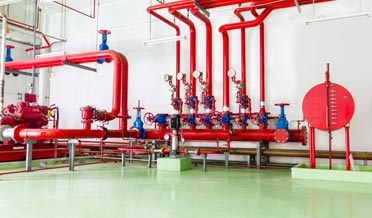
A commercial fire sprinkler system is a crucial building safety feature. These systems consist of a network of water pipes and sprinklers, designed to suppress fires until firefighters arrive.
Sprinklers are triggered automatically by heat. When a fire raises the temperature around a sprinkler to a specific point, it activates, releasing water in a targeted spray. Contrary to common belief, only the sprinklers directly exposed to sufficient heat will activate, usually just one or two near the fire’s origin. If the fire spreads, additional sprinkler heads may be activated in close proximity to the fire.
In essence, these systems provide localized, immediate fire control, minimize damage, and give emergency services valuable time.
Commercial Fire Sprinkler System Inspection: How Often Should They Be Scheduled
A commercial fire sprinkler system inspection quality control should follow a strict schedule. The National Fire Protection Association (NFPA) Standard 25 provides guidelines for these inspections, which vary in frequency depending on the specific components of the system. Here is a breakdown from the NFPA:
Key Inspection Frequencies:
- Weekly/Monthly:
- Gauges on dry, pre-action, and deluge systems should be checked weekly or monthly.
- Wet pipe system gauges can be checked monthly.
- Quarterly:
- Water flow alarm devices.
- Valve supervisory alarm devices.
- Supervisory signal devices.
- Control valves.
- Hydraulic nameplates.
- Annually:
- Hanger/seismic bracing.
- Pipes and fittings.
- Information signage.
- Spare sprinklers.
- Full system inspections.
- Every 5 Years:
- Internal inspection of sprinkler piping.
- Sprinklers are exposed to extra-high temperatures and harsh environments.
- Gauges on all sprinkler system types.
- Varying Intervals:
- Dry sprinklers: every 10 years.
- Fast-response sprinklers: initially after 20 years, then every 10 years.
- Standard-response sprinklers: initially after 50 years, then every 10 years.
Important Considerations:
- NFPA 25: This standard is the primary source for fire sprinkler inspection requirements.
- Professional Inspections: It’s essential to have qualified professionals conduct these inspections. Contact Fire Protection Services to schedule your inspection today.
- Record Keeping: Maintain accurate records of all inspections and tests.
By following these guidelines, commercial property owners can ensure their fire sprinkler systems are in proper working order, minimizing the risk of fire damage and protecting lives.
Maintaining Commercial Fire Sprinkler System Inspection Schedules
Regular and thorough inspections, adhering to NFPA 25 guidelines, are essential for ensuring the reliable operation of commercial fire sprinkler systems. By proactively maintaining these systems, businesses can significantly reduce fire risks and protect both property and occupants. Investing in professional inspections and meticulous record-keeping underscores a commitment to safety and compliance, ultimately safeguarding against potentially devastating consequences.
Contact Fire Safe Protection Services today at 713-722-7800 or visit our online form, and we will be in contact as soon as possible about your Commercial Fire Sprinkler System Inspection.