
 713-722-7800
Fire Extinguisher: Replace or Recharge?
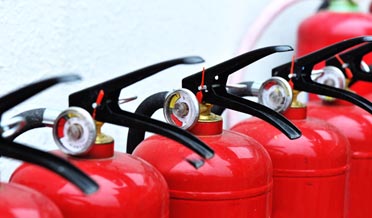
How to Know Whether it is Best to Replace or Recharge My Fire Extinguisher
When considering fire safety protection, the majority of attention is given to big sprinkler systems, communication, and evacuation plans, but the first line of defense is often the lowly fire extinguisher. Consider this. A fire extinguisher is:
- Small and portable
- Can be kept close to potential fire sources
- Require little to no training for effective use
- Long-lasting, using very stable chemicals
Research shows that when fire extinguishers are properly deployed upon ignition, they extinguish a fire 95% of the time, preventing a fire from spreading. Sixty percent of the time an extinguisher is used, calling emergency services is not necessary. They are small but extremely effective tools in the firefighting arsenal; it is best to keep these tools sharp and at the ready.
Since fires do not happen according to schedule, extinguishers are installed according to building code, ready for use instantly. It could be disastrous to need an extinguisher, to have an extinguisher available, but discover the extinguisher is no longer functional. For this reason, fire extinguishers require maintenance to ensure they function properly whenever needed.
There are five types of fire extinguishers—extinguishers for normal fuel, for oil fires, for electrical fires, etc., and the nature of the different extinguishing agents requires a variety of maintenance.
- Building codes require that all fire extinguishers in commercial settings need to be inspected annually. While it is harder to enforce extinguishers in residential settings, it is what is needed to ensure your home is prepared.
- When it weighs less than when it was manufactured. The extinguishing agents are under pressure, so they also contain a propellant. An extinguisher that is too light might have lost the propellant. The manufacturer’s weight is available to fire protection agencies; weighing extinguishers are a part of the inspection process.
- When an extinguisher has been used, it will need to be recharged. The extinguishing agent, propellant, and trigger mechanism are restored. The extinguisher will carry an inspection tag, indicating the date and year of the inspection. When this tag is missing from an extinguisher, it is considered uninspected; it will need to be inspected and retagged.
- If an extinguisher has been damaged, even slightly, it needs to be inspected. Any leak, large or small, will release the contents of the extinguisher and make it inoperable.
While the chemicals in fire extinguishers are very stable and do not change over time, there is a chance that the agents will decay. While they are meant to last, the National Fire Protection Association recommends that fire extinguishers be recharged every 6 to 12 years (this varies with extinguisher types.)
This recharge process includes an inspection of seals and replacement of both extinguishing agent and propellant. This ensures the contents remain inside the extinguisher; it leaves nothing to chance and ensures extinguishers are prepared and ready when needed.
Following the code requirements for fire extinguishers recharging is the responsibility of the building owner/manager. Look to the building code regulations for your locale and follow the scheduled inspections and recharge schedules for each type of extinguisher.
Finally, fire extinguishers have a limited useful life and need to be replaced. The inspection tag will include information concerning when each type of extinguisher needs to be replaced. Make sure to replace each type of extinguisher with the appropriate type in the appropriate positions. Interchanging extinguishers can have negative, even disastrous results.
Should I Replace or Recharge My Fire Extinguisher?
Call Fire Safe Protection Services today at 713-722-7800 or visit our online form, and we will be in contact as soon as possible about your fire extinguisher questions.