 713-722-7800
Fire Protection Equipment
The Purpose of Fire Protection Equipment
The U.S. has a long and storied history concerning fires in public spaces. In the early days, fires in urban spaces easily surpassed the ability of owners and inhabitants to contain them, and fires spread rapidly. Of course, professional firefighters were also doing on-the-job training to determine best practices for about everything fire related. It took learning from every event and research into methods and materials to develop safe practices concerning Fire Protection Equipment.
Today, substantial building and fire codes are defined by local, state, and federal regulatory agencies; insurance coverage also requires strict adherence to meeting all the code requirements assigned for public structures. These fire protection services accomplish so many valuable functions:
- Alarm systems detect either smoke or fire (heat) and alert occupants to the presence of danger. The same system alerts local emergency responders, especially the fire department. Equipment and training combine to lead occupants to designated evacuation routes.
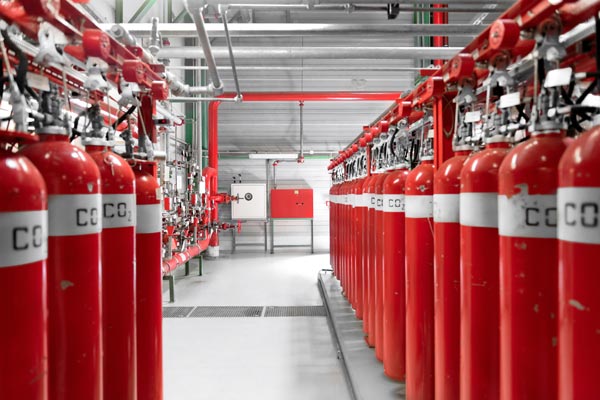
- Fire protection equipment will also be deployed to extinguish a fire and/or prevent the fire from spreading. The type of equipment is designed specifically, determined by building content.
- Fire protection equipment deploys very quickly. Sprinklers and suppression equipment will deploy within 60 seconds, while the national goal for ETA for fire departments is 5 minutes and 20 seconds. This greatly improves the chances that people evacuate and property loss is minimized.
Installing Fire Protection Equipment
The installation of fire protection equipment is extensive and invasive; it must be designed and installed strategically to be practical. It makes sense to install this equipment:
- During the construction of new facilities. Before wall and ceiling surfaces are installed, sprinklers, sensors, lighting, and suppression equipment can be positioned for the best results.
- Repurposing or remodeling spaces. If a space that was previously housed office space becomes a warehouse or houses computer storage, the remodeling construction allows making changes to fire protection equipment.
- Retrofitting a space. Often code enforcement allows a grace period for upgrading protection equipment, with a requirement to install the equipment soon. Retrofitting existing facilities can be quite expensive.
Maintaining Fire Protection Equipment
After fire protection equipment is installed, it sits idle—hopefully forever. However, this equipment must be ready to deploy at any moment. The regulations that define the proper equipment also specify a plan for the inspection, cleaning, and testing of equipment. Moisture within and without can cause corrosion. Deposits of chemicals dissolved in the water supply can also create blockages. Detection sensors need to be tested.
The procedures for fire emergencies must constantly be reviewed and adapted. Internal reconfiguration may change the evacuation routes; this needs to be conveyed internally and to emergency responders. New employees need to be trained in the evacuation plans. Staying vigilant ensures that the equipment and procedures work to keep people and property as safe as possible.
Have a question about Fire Protection Equipment?
Call Fire Safe Protection Services today at 713-722-7800 or visit our online form and we will be in contact as soon as possible about your questions regarding Fire Protection Equipment.