 713-722-7800
Fire Protection in Schools and Universities
Fire Protection in Schools and Universities Common Practices
Each industry sector has some unique fire protection needs that demand special considerations.
- All sectors have the primary focus on saving the lives of people
- Some sectors have an additional focus on preventing flames from reaching volatile or hazardous chemicals
- Some sectors must also focus on high-voltage lines because of the heavy energy use
- Some sector needs include preserving high-tech equipment and data storage
Occasionally an industry sector must focus on all of these and more; colleges and universities fall into just such a category.
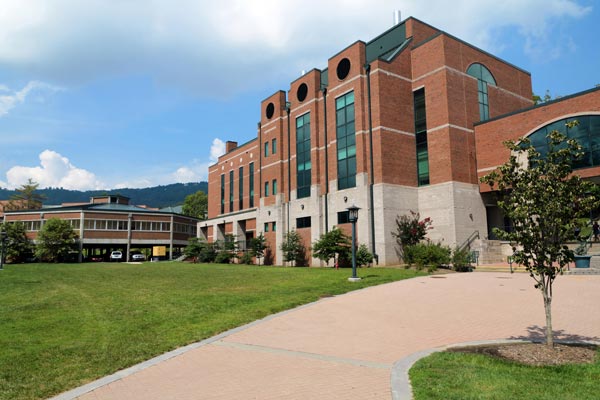
On any university campus, you will find buildings with diverse use—from laboratories, classrooms, and student dormitories. People are surrounded by technology and data storage is very high. Parents send students with very little life experience and expect universities to maintain a high degree of safety. Fire Safe has the training and experience to help schools with both fire protection equipment and fire safety protocols.
Fire Protection in Schools and Universities: Maintaining Fire Protection Equipment
Fire protection equipment is primarily designed to stop a fire at the source and prevent the fire from spreading. Most fires start very small and take a little time to develop into major fires. Major fires cause significant damage and do the most harm to people, so all available resources will come to bear to contain a major fire. The key is to prevent a small fire from becoming a large fire.
- Fire Protection in Schools and Universities Smoke Detectors
Even small fires give off smoke and the equipment is available to detect even small amounts of smoke particles. Fire code determines locations and numbers of fire extinguishers. Smoke detectors can pinpoint the location of a fire and are often tied into other components of a comprehensive system, including sprinkler systems and fire alarms. These early warning devices save many lives annually.
- Fire Sprinklers
Buildings with high occupancy should be equipped with fire sprinklers. Each sprinkler head has a quick response trigger. When sufficient heat reaches the trigger, the charged system delivers large amounts of water to very specific locations to quickly extinguish small fires. When fire sprinklers are deployed, they extinguish 96% of fires at the source.1
- Fire Protection in Schools and Universities Fire Suppression Systems
Certain fire hazards require specialized suppression equipment, such as commercial kitchens and laboratories. The equipment is installed directly over the stoves or lab tables designed for certain reactions. Server rooms and computer labs may have specialized suppression equipment to avoid water damage to sensitive high-tech devices.
- Fire Protection in Schools and Universities Fire Extinguishers
Extinguishers are readily available when occupants see a small fire and have the opportunity to put it out before it grows. There are several types of fire extinguishers and the fire code will locate the appropriate extinguisher for the setting. Ideally, fire extinguishers should be used by trained personnel. However, they are simple to use—just pull the pin, aim, and shoot.
Fire Protection in Schools and Universities Protocols
If the key to fire protection equipment is stopping the fire early, the key to fire safety protocols is moving people away from the fire efficiently. During a fire event everyone’s senses are bombarded, as new sounds, smells, and perhaps a spray of water are present in spaces that are normally calm and quiet. Individuals respond differently to dangerous situations; some are calm, while others are panicky. Protocols are designed to take each of these into consideration and devise a safety plan despite the chaos.
- Fire Protection in Schools and Universities Notification Systems
Fire alarms are often more complicated than just a siren or buzzing noise. They can alert occupants of the exact location of a fire, danger from severe weather, and active shooter situations. Instructions are broadcasted inside and out. Emergency responders are contacted. The instructions can also be sent via mass text messages and emails to provide specific instructions.
- Emergency Drills
Since real emergencies tend to be chaotic, plans must be developed and the drills should be conducted during non-emergencies settings. Planned evacuations reduce the risk of choke points and optimize the flow of people leaving buildings. Trained personnel can make sure everyone has been evacuated. Does this ensure everyone will respond correctly during an emergency situation? No. But the goal is to train enough people in the proper response to lead everyone to safety. (Remember, staff and students, change frequently, so drill for emergencies often.)
- Dormitory Checks
The leading cause of campus fires happens in dormitories, most often from activities that have been prohibited; cooking on hotplates or portable grills, careless smoking, unattended candles, and overloaded power strips or extension cords.2 Remember the cliché, “Inspect what you expect.”
Have a question about Fire Protection in Schools and Universities?
Call Fire Safe Protection Services today at 713-722-7800 or visit our online form and we will be in contact as soon as possible about your questions regarding Fire Protection in Schools and Universities.
2 https://www.usfa.fema.gov/downloads/pdf/publications/fa_334.pdf