 713-722-7800
Fire Protection System Guide
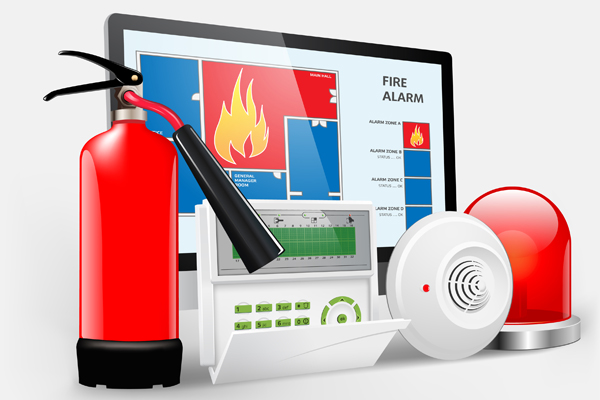
Fire Protection System Guide for Commercial and Residential Systems
Shortly after American cities began to urbanize, we began experiencing serious fire situations. What can happen when we combine various flames sources, electricity, volatile fumes, and gases with flammable building materials and people? However, we have come a long way from Mrs. O’Leary’s cow, using fire protection services that employ material, equipment, and services. Here is a Fire Protection 101 guide to help you understand how the parts come together.
Fire Protection System Materials
Before a building is occupied, a great deal of care goes into the construction process to reduce the risk of fire. Fireproofing material might be applied for major commercial buildings. Electrical engineering design is set in building code, for commercial, industrial, and residential construction; the code is enforced fiercely, but it certainly saves lives and avoids unnecessary fire risk. A safe buffer zone isolates heat sources from combustible materials and flammable materials are carefully stored for safety.
Residential Fire Protection System
The goals of fire protection systems are to prevent fires from starting, reduce damage to property, and protect the lives and health of people. Complete systems utilize both specialty equipment and measures/practices to implement in case of fire.
- Residential Fire Protection. Our homes have some sophisticated components. Often you will find a Class A fire extinguisher stored in the kitchen, garage, or mechanical room, near the furnace. Homes that use natural gas, pellets, or wood should have a carbon monoxide detector installed. Homes may have several types of smoke detectors; each bedroom should have a separate smoke detector installed.
A wise addition to the fire protection equipment is a fire safety plan. Prepare an evacuation plan with a safe, outdoor place to meet. An effective plan should be drilled occasionally to keep it fresh in everyone’s minds.
- Multi-family Residential Fire Protection. Some of the recommended protection systems for single-family homes will be required in multi-family residential facilities. In addition to fire extinguishers and detectors, newer facilities will have fire sprinklers and general alarms in hallways to alert folks in other units.
Commercial and Industrial Fire Protection System
Places of business must take extra measures to protect staff, guests, and the surrounding community; systems are custom designed for each work environment. Examples of fire protection systems for businesses include:
- Specialized fire extinguishers. Normal (Class A) extinguishers do not work well on oil or grease fires, so different materials will require different extinguishers.
- Fire Sprinklers. Most commercial and industrial facilities have fire sprinklers installed at 6’ intervals. A simple fire sensor near a flame quickly sprays water directly on the ignition source. The response time for sprinkler systems is so rapid, the flame is extinguished before it has a chance to spread.
Spaces that experience extreme cold, such as unheated warehouses or garages, have a sprinkler system pressurized with inert gas or air. The pressurized gas closes a valve that holds water back. When heat triggers the sensor, the gas is released, and water is released to extinguish the fire. This system prevents the sprinkler water from freezing.
- Fire Suppression Systems. Water is not always the best choice for fire suppression. Water serves to spread an oil/grease fire, so a soapy substance will fall to extinguish the flame. Water is not an ideal suppressant for spaces that house computers or sensitive electronics; a selection of inert gases is employed in these spaces to preserve vital data.
- Combined Protection Types. In any given facility, a combination of protection might be used: a sprinkler system used throughout most of the facility, suppression equipment above the commercial kitchen, and a gas system installed in the server room.
- Advanced Alert Systems. Commercial and industrial spaces often contain many people; expect alert notifications to be louder and more specific. The location of the danger might be a part of the alert. Elevators will not function and alternate exits might be announced. Exits will be illuminated. In large facilities, the alarm system might be monitored from a central location, and voice instructions might be a part of the system. Local emergency response teams will be alerted to even potential problems.
The result of all this care is a remarkable record of safety and loss prevention. Any loss, especially of life, is unacceptable, but injury and death due to fire are relatively rare. In an average year, approximately 400,000 structure and vehicle fires ignite, but most fires are extinguished very quickly due to the fire protection systems installed and held in readiness for emergency situations.
Have a question about Your Fire Protection System?
Call Fire Safe Protection Services today at 713-722-7800 or visit our online form and we will be in contact as soon as possible about your questions regarding your Fire Protection System.