 713-722-7800
Why Fire Protection System Inspections Are Non-Negotiable
The Foundation of Fire Safety: Understanding Fire Protection System Inspections
For any building manager or owner, ensuring the safety and readiness of fire protection systems is paramount. The rigorous Fire Protection System Inspections process of Inspection, Testing, and Maintenance (ITM) is essential to ensure that these systems will perform their duty when they are needed most. According to NFPA standards, ITM is a foundational requirement, encompassing everything from a simple visual check to the full operational performance of the entire defense network.
Inspection, Testing, and Maintenance are three distinct activities that together guarantee system reliability. Inspections involve visual checks of the systems to identify immediate issues. Testing involves the physical operation of components to confirm functionality. Finally, Maintenance involves the repair or replacement of elements found to be deficient during the inspection or testing phases. This necessary work is governed by specific NFPA standards, including NFPA 25 for water-based systems and NFPA 72 for fire alarm systems.
The inspection process is not a one-time event; it is a continual cycle performed at varying intervals. These crucial checks can be required on a weekly, monthly, quarterly, semi-annually, annually, or even a five-year basis, depending on the specific component and the established fire code.
Systems Requiring Continuous ITM
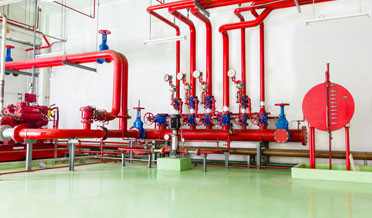
A variety of fire protection systems must undergo this rigorous ITM Fire Protection System Inspections schedule. Each component plays a vital role in the overall fire safety plan and must be reliably maintained. The critical systems requiring consistent inspection and testing include:
- Fire Sprinkler Systems
- Fire Alarm Systems
- Clean Agent Fire Suppression Systems
- Fire Extinguishers
- Fire Pumps
Essential Fire Code Compliance
Adherence to the fire code, such as the requirements outlined in NFPA 1, is essential for maintaining a safe environment. Regular inspections must confirm that the basic structural and operational requirements of the building are being met to allow occupants to safely escape and allow first responders access.
A key focus of any fire code inspection involves egress and fire-rated assemblies, such as doors and walls. These components are designed to either provide a safe path of travel or contain a fire to a specific area for a set period. Therefore, inspectors rigorously check that egress routes are clear and that fire-rated assemblies are intact and functioning as designed.
Furthermore, maintaining clear access and fire lanes is a non-negotiable inspection issue. Fire lanes must be kept clear of obstructions at all times to ensure that the fire department can quickly and safely access the building during an emergency. Obstructions can include improper parking or materials storage that blocks the pathway.
Detailed Component Checks
Specific systems require targeted visual inspections to ensure continuous readiness. If deficiencies are found during an inspection, the maintenance step ensures the necessary repair or replacement takes place to restore the system to full function.
Fire Sprinkler System readiness is confirmed by checking their controlling valves. Sprinkler control valves must be supervised to ensure they remain in the open position. Additionally, these valves must be properly locked or sealed to prevent accidental or malicious closure, which would render the entire system useless.
Fire Extinguishers require frequent attention to guarantee they are available and operational in an emergency. They must be the correct type for the hazard present in the area, and they must be properly located for easy access. Furthermore, they must be secured from unauthorized movement and remain highly visible. The NFPA code requires fire extinguishers to be inspected on a monthly basis by the owner or facility staff.
Finally, Fire Alarm Panels must be checked to ensure they are operable. A panel that displays a “trouble signal” indicates a deficiency in the system, potentially rendering it ineffective during a fire. Regular inspection ensures that any trouble signals are addressed immediately.
In summary, the rigorous and multi-tiered schedule of Inspection, Testing, and Maintenance is the assurance that a fire protection system will meet its duty. Compliance with NFPA standards is not merely about avoiding fines; it is about guaranteeing the reliability of every system—from the fire pump to the extinguisher on the wall—and securing the safety of occupants and property.
Don’t compromise on life safety or risk severe fines and denied insurance claims due to non-compliance with NFPA 25 or NFPA 72. Fire Safe Protection offers the rigorous, multi-tiered Inspection, Testing, and Maintenance (ITM) required for all your systems—from sprinklers to alarms. Ensure your entire defense network is verified, fully functional, and ready for any emergency. Call our certified team today to schedule your essential fire protection system inspection.
Contact Fire Safe Protection Services today at 713-722-7800 or visit our online form, and we will be in contact as soon as possible about your Fire Protection System Inspections and ultrasonic testing questions.