 713-722-7800
Fire Protection System Ultrasonic Inspection 101
Ultrasonic Inspection of Your Fire Prevention System
Beginning in 1874, mechanical engineers began installing fire sprinklers in large commercial buildings. Fire sprinkler systems have saved thousands of lives and billions of dollars in property. Building construction research, testing, and product improvement have increased effectiveness; a report covering 4 years demonstrate that fire sprinkler systems in large commercial facilities worked appropriately 91% of the time fires were large enough to activate the system. When sprinklers were activated, they effectively extinguish fires 96% of the time.1
However, sprinkler systems do fail from time to time. The system can be well designed and correctly installed, yet still, fail to extinguish a fire properly. Of the top five reasons for sprinkler system failure, four results from operator error.
- 64% of failures happened when the sprinkler system was turned off, perhaps when a building is vacant or to accommodate construction.
- 17% of failures happen due to manual intervention–a fire started and activated the sprinkler system, but the fire was out of sight or someone assumed the fire was extinguished and turned the system off.
- 13% of failures happen when the system is damaged and no one notices, or the system is poorly maintained.
A fire sprinkler system is a mechanical system and all mechanical systems need maintenance to function properly. Sprinkler systems use water, which is a superior product for extinguishing most fires. However, water also creates significant problems within the system, and unchecked, these problems can lead to system failure.
- Water soluble salts, such as calcium carbonate or “lime,” are deposited on the system pipes. The presence of sufficient lime can reduce the diameter or clog the pipe and can be lodged in the sprinkler heads during operation.
- Electrochemical reactions also take place; the most common reaction produces rust. Other reactions result in “uniform corrosion,” a process that “eats” the metal from the inside and reduces the thickness of the pipes, leading to bursting.
- Water that contains biological material, such as algae, finds the dark, wet spaces of a pipe an ideal environment for growth.
Corrosion and blockages are not visible from the pipe exterior and not all of the pipes of a sprinkler system are visible during normal operations. This presents a problem when maintenance of the system requires that the interior of the pipes be visible.
A standard method of maintaining sprinkler systems has been to turn the system off, drain the system, dismantle representative sections, visually inspect the pipe section, and determine necessary maintenance solutions.
This method of maintenance often interferes with busy facilities and jeopardizes some safe work environments; healthcare facilities, manufacturing plants, or high-tech data centers are examples. Dirty water, dripping from overhead pipes is not conducive to any work environment.
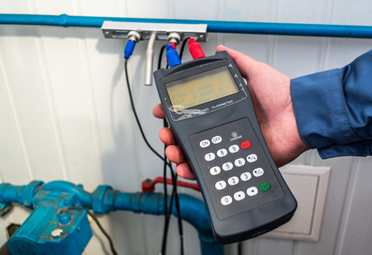
A common diagnostic tool is getting new life, providing an alternative assessment method for sprinkler systems: ultrasound or Ultrasonic Inspection can achieve a visual inspection inside of pipes without dismantling the system. Some of the benefits include:
- Ultrasonic Inspection of the system with shutting the system down
- Nominal interference with normal building operations
- The assessment requires no demolishing or reconstruction
- No messy drips or equipment damage from leaky pipes
- Inspections can be completed during normal operating hours without interference
- Ultrasonic inspection can detect both blockage and thinning pipe walls
- A more thorough ultrasonic inspection rather than dismantling a few isolated areas
A Fire Safe ultrasonic inspection keeps your facility in compliance with code at all times. Catching corrosion or blockage early, before damage can occur reduces your liability. Ultrasound works with both wet and dry sprinkler systems.
Are you in need of an ultrasonic inspection of your fire protection system?
Call Fire Safe Protection Services today at 713-722-7800 or visit our online form and we will be in contact as soon as possible about your questions regarding Ultrasonic Pipe Testing.
1 https://www.pmengineer.com/articles/92747-top-5-reasons-fire-sprinkler-systems-fail-to-operate-when-needed