 713-722-7800
Fire Protection Systems 101
Fire Protection Systems Basics
Shortly after the Industrial Revolution began, American leaders recognized the potential for catastrophic fires resulting in tremendous damage and loss of life. Notable fires, such as the Great Chicago Fire, stood as warnings if leaders ignored the danger. As a result, scientific and legal leaders continue to relentlessly pursue the improvement of construction materials, construction methods, fire protection equipment, and the development of emergency plans to help save lives and property.
The statistics are striking: each year, an average of 37,900 commercial fires happen annually, leading to 16 deaths, 273 injuries, and $1.2 B in damage. Those numbers sound high until they are compared to the workforce (164 M) and the total value of commercial real estate ($20.7 T). These numbers lie in an overwhelming success to protect all involved.
However, this success should not lead scientists or commercial facility owners to lighten up. Always, lives must be protected.
The regulations that have grown from this research and implementation define how buildings are designed, built, and used. All facilities use both active and passive fire protection systems, but few understand how deeply both are integrated into everyday business activities. Here is a simple introduction to active and passive Fire Protection Systems features, to let you see how they network to protect life and property.
Passive Fire Protection Systems
Passive fire protection components are generally structural in nature, built into buildings from the beginning. Through design or material content, they use scientific principles to stop or slow the spread of fire. No action is needed to implement this type of protection.
- Fire doors, firewalls, and spray fireproofing are examples of passive fire protection built into buildings. Such materials are used abundantly—paints, flooring, and furniture contribute to this resistance. An intense enough fire can burn or melt through anything. However, the materials used in these structures are fire-resistant enough to slow the spread of fire. By slowing the spread of fire, building occupants gain time to escape and emergency responders have time to arrive on the scene.
- The structural design also contributes to fire protection. Staircases use fire doors and are sealed to contain the fire and prevent air from fueling the fire. Similar structures may provide barriers that compartmentalize the fire and prevent its spread.
Active Fire Protection Systems
While passive Fire Protection Systems are in place to slow the spread of fire, other components act, responding to the fire directly. Once these systems are activated, they will continue their function until deactivated. The goals of active fire protection components are to provide safe passage for occupants and to stop the fire in its track. Examples include:
- Pull stations, smoke detectors, fire alarms, and emergency lighting. These structures are all around us and only become active in the event of a fire. They focus on human occupants and their evacuation.
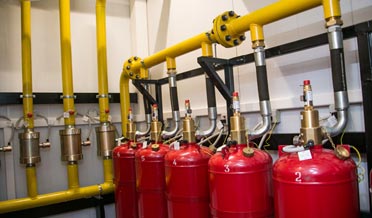
- Fire extinguishers, sprinklers, and suppression equipment are designed to extinguish the fire in place. Sprinklers are often directed to spray water on walls, to prevent the fire from creeping up, stopping or slowing the fire from spreading.
The good news is that both active and passive Fire Protection Systems work together to enhance protection for occupants and property. While these Fire Protection Systems are technologically advanced, some portions of the systems need maintenance.
Have a question about Fire Protection Systems?
Call Fire Safe Protection Services today at 713-722-7800 or visit our online form and we will be in contact as soon as possible about your questions regarding Fire Protection Systems.