 713-722-7800
Fire Safety in Historic Buildings
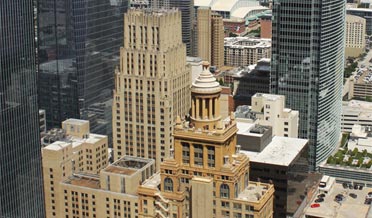
Plan for Fire Safety in Historic Buildings
Planning fire protection services for the normal commercial facility is involved and demanding; fire sprinklers, smoke alarms, and evacuation plans are designed to protect life and property. However, for facilities that house historical documents, valuable artwork, or valuable collectibles, spraying water on these vulnerable items may not be an option.
Historically significant facilities that house such items are also vulnerable to smoke, flame, and water might be equally damaging.
The key component of Fire Safety in Historic Buildings is extinguishing a fire is to remove one of the three required elements of a flame—fuel, oxygen, and a heat or ignition source.
- Isolated spaces with vulnerable, sensitive electronics often use gas to displace the oxygen in the room. But spaces frequented by humans cannot use this technique.
- Water is the most widely used fire retardant in commercial and residential facilities. However, it cannot be used universally to extinguish fires.
- Soapy liquid and foam effectively separate the grease and oil fuels from the flame, but these would also be quite damaging to sensitive documents and vintage buildings.
Preservation requirements make fire protection significantly more difficult and complicated.
Fire protection measures for preserving sensitive documents often begin with building design and might include:
- Displays are constructed from fire-retardant materials and sealed to protect against water and smoke damage.
- Fire-proof vaults and safes for storing documents that are not on display.
- Replacing normal building materials with fire-resistant drywall, carpet, and ceilings will also remove much of the available fuel for any fire that ignites. Fire-resistant drywall or fire doors can withstand a directed fire for one hour. This gives emergency crews considerable time to extinguish the flames.
- Strategically placing dry chemical fire extinguishers should also be a part of the plan.
Fire protection measures to protect historically significant buildings are even more complex. Usually, it requires the expertise of structural engineers, preservation specialists, facility management, and communication with local emergency personnel. The National Fire Protection Association has specific guidelines for protecting historically significant buildings.
Fire protection measures can be installed without compromising the authenticity or appearance of historic structures. Paint and surface treatments, such as sprinkler heads and pipes, can mask modern modifications. Smoke sensors can be well hidden or disguised; most can be wireless, small, and easily camouflaged.
Of course, the primary goal for every facility is preserving human life—for staff and guests—and preventing the spread of fire. All the unique protective measures mentioned above are in addition to normal emergency measures used in any commercial facility. The building may also require many fire protection features found in every commercial building.
Fire Safety in Historic Buildings Components
- Fire sprinklers in certain areas
- Egress routes with lighted Exit signs and battery-powered emergency lighting
- Smoke detectors with audio alarms and local EMS notifications
- Hand pulls with alarms
- Fire extinguishers
Let us create your plan for Fire Safety in Historic Buildings
Call Fire Safe Protection Services today at 713-722-7800 or visit our online form and we will be in contact as soon as possible about your Fire Safety in Historic Buildings questions.