
 713-722-7800
Fire Sensor Alarms
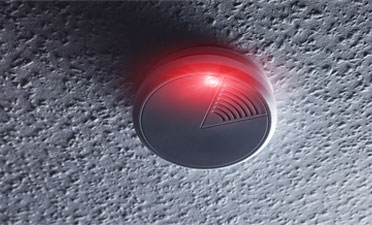
Fire Sensor Alarms Explained
This year’s theme for Fire Prevention Week was “Learn the Sounds of Fire Safety!” The goal is to educate people about the different sounds made by smoke and carbon monoxide alarms. Your family’s and co-workers’ recognition of Fire Sensor Alarms sounds in a timely manner can keep them safer in the unlikely event of a house fire.
Smoke Fire Sensor Alarms
- When your smoke alarm sounds three loud beeps in a repeating pattern, this is the indication of the presence of smoke and presumably a fire. If you hear this alarm, gather your family members or co-workers, get out of the house or building (preferably in a pre-determined location) and call 911. Do not re-enter the house or building until the fire department has cleared it.
- When the battery is low and needs to be replaced, the smoke alarm will make a single short chirping sound approximately 30-60 seconds apart. In some installations, smoke alarms are linked together throughout the building or house; when one battery is low, all of the alarms may chirp. Make sure to replace all batteries at the same time.
- If you still hear a chirp after all of the batteries have been replaced, the alarm may have failed and need to be replaced. Expect your smoke alarm to last about 10 years; make sure to properly dispose of used alarms.
Carbon Monoxide Fire Sensor Alarms
- If your carbon monoxide detector sounds a series of four loud beeps in a repeating pattern, this is the indication of the presence of carbon monoxide. Carbon monoxide inside your home is usually the result of a flue leak from the furnace. If you hear four loud beeps, gather your family or co-workers, get out of the house or building and call 911. Do not re-enter the house until the fire department has cleared the house.
- If you hear a single short chirp every 30-60 seconds, it is an indication the battery is low; replace the batteries.
- If the alarm continues to emit a single short beep after changing the battery, the alarm may have failed and needs to be replaced. Carbon monoxide sensor manufacturers may also install a unique end-of-life indicator noise.
Modifying Fire Sensor Alarms Devices for Physical Disabilities
Physical disabilities may require modifications in order to keep every family member safe. Consider these recommendations for safety modifications:
- Install night lights and keep exit pathways free of clutter to make sure everyone can exit
- Add strobe lights to alarms to alert the hearing impaired
- Consider pillow or bed shaker devices in tandem with alarms
- Make sure that walkers, wheelchairs, glasses, and phones are at the bedside
For more fire safety tips for your office or building, give Fire Safe a call.
Have questions about Holiday Fire Safety?
Call Fire Safe Protection Services today at 713-722-7800 or visit our online form and we will be in contact as soon as possible about Fire Sensor Alarms.