
 713-722-7800
Fire Sprinkler Maintenance: Best Practices
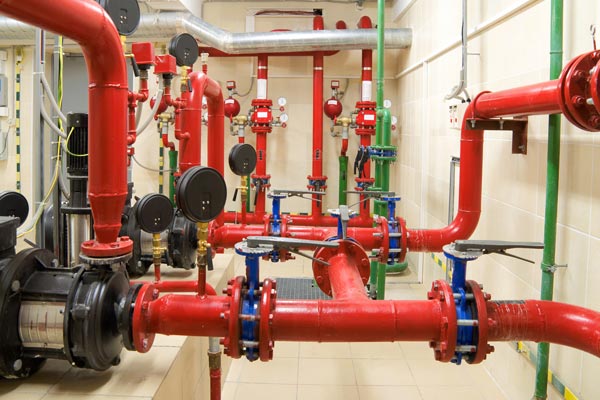
Fire Sprinkler Maintenance: Best Practices
Fire protection equipment and plans have been extremely successful from their inception: the first fire safety equipment was first introduced in the 1850s. Over the decades, fire sprinklers have been among the most successful fire protection systems, and they are currently still in use. According to the National Fire Protection Association (NFPA), “sprinklers operated in 92 percent of fires large enough to activate sprinklers and were effective at controlling the fire in 96 percent of the incidents in which they operated.”1 Without question, fire sprinklers save lives and prevent loss from fire events.
However, that means that facilities with fire sprinklers installed with a fire that should trigger the sprinkler system failed to work 6% of the time. What about those times when fire sprinklers failed to control or extinguish the fire? The same report concludes that 93% of sprinkler failures can be attributed to human error.
- 59% of failures happen when sprinkler systems are turned off when a fire event happened.
- 10% of failures result from sprinkler systems with a lack of maintenance.
- 17% of failures are caused by human interruption.
That means fire sprinkler systems work, except when humans interfere with the proper use of fire extinguishers.
Understanding the importance of properly installing and maintaining fire sprinkler systems, fire codes, and regulations calls for frequent inspections. While staff may find system inspections and testing an annoyance, both the benefit of the equipment and its proper function during a fire event is worth the minor effort. Fire Sprinkler Maintenance Inspections ensure:
- Systems are installed properly.
- Both major and minor components remain in good working order. Sprinkler heads contain fragile glass bulbs. A damaged bulb can create a sprinkler head leak. When a sprinkler head begins to leak, it is necessary to turn the entire system off until the head gets fixed. Finding the time and expertise to repair the sprinkler head may take time and scheduled events can delay the repair process. Inspections uncover damaged heads and ensure repairs are completed promptly.
- Dust and corrosion can also interfere with the proper function of the sprinkler head. If the head is painted, it can prevent it from functioning properly during emergencies.
- Renovation or rearranged furniture can also prevent the sprinkler head from functioning properly.
The goal of frequent inspection, testing, and Fire Sprinkler Maintenance is not to interfere with regular schedules but to ensure the facility owner/manager that the system will work in the event of a fire emergency. It also serves to prepare local emergency responders for emergencies. Lastly, it ensures that local government agencies are doing their best to prevent fires and save lives and property.
Partnering with a local fire safety firm is a great way to remain compliant with fire code inspections, Fire Sprinkler Maintenance, and testing. Some inspections are visual and should be completed quarterly by staff people. However, some inspections and testing require specialized equipment or training. It is imperative that inspections and testing be properly documented both for agency compliance and facility owner assurance.
Have a question about Fire Sprinkler Maintenance?
Call Fire Safe Protection Services today at 713-722-7800 or visit our online form and we will be in contact as soon as possible about your questions regarding Fire Sprinkler Maintenance.
1 https://www.nfpa.org/News-and-Research/Data-research-and-tools/Suppression/US-Experience-with-Sprinklers