
 713-722-7800
Fire Sprinkler: Quarterly Inspection Tips
Fire Sprinkler: Inspection Tips
Fire sprinklers have been a real boon to commercial and residential buildings. They have saved many thousands of lives and prevented fire damage for billions of dollars of products, equipment, and real property. While fire sprinklers bring great peace of mind, they should be well-maintained and not ignored.
The National Fire Protection Association works with each state to develop fire codes, designed to properly maintain fire suppression equipment in each application. However, when your staff understands the what and why of maintenance tasks, they can be completed with greater purpose.
Exterior Care
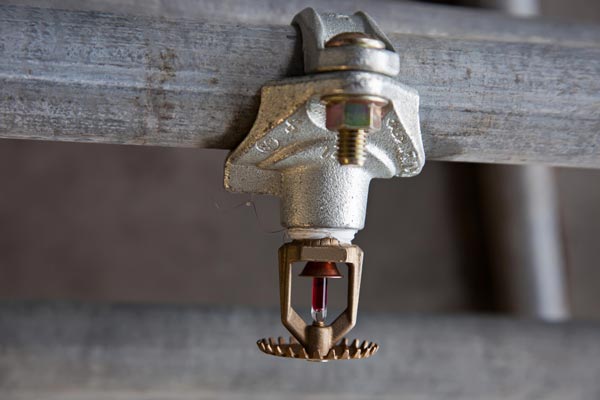
The most visible portion of your sprinkler system will be sprinkler heads; they have positioned approximately six feet apart in a pattern that covers entire spaces. The most common sprinkler trigger is composed of glass, filled with a glycerin-based liquid. An active fire quickly produces 10000 to 15000 F. The liquid inside the trigger expands to break the glass at approximately 1550 F. When the trigger breaks, a steady stream of water flows down to the sprinkler head and is dispersed in a soaking pattern. The water quickly extinguishes the fire before it has a chance to spread.
Of course, the goal for fire sprinklers is to never use them. However, assuming they will never be used is to invite disaster. The enemies of each sprinkler head include dust and cobwebs. A coating of dust on the trigger can delay activation. Cobwebs on the sprinkler head can distort the pattern of water distribution. However, the glass of the trigger mechanism is extremely thin. Cleaning them requires touchless techniques.
- Regular inspection of the sprinkler heads is very necessary
- Dust and cobwebs can be cleaned away with cans of compressed air
- Dust and cobwebs can be cleaned away with specially designed, touchless vacuum cleaner attachments
The glass in the trigger may be only 1 mm thick, so it is important not to risk
Interior Care
The enemy of the interior of the system is rust and other forms of corrosion. Local water sources carry local minerals. Some minerals cause the metal of the sprinkler lines to dissolve, with a risk of bursting the lines. Some minerals attach to the metal of sprinkler lines, with a risk of clogging the lines. The fire code guidelines, developed by the NFPA, are designed to detect corrosion early. Regularly testing the system becomes vitally important, especially as the system ages.
A well-maintained fire sprinkler system is the best protection available for the majority of commercial facilities. A regular maintenance schedule will keep your sprinkler system functioning properly for years to come.
Have a question about Fire Sprinklers?
Call Fire Safe Protection Services today at 713-722-7800 or visit our online form and we will be in contact as soon as possible about your questions regarding Fire Sprinkler installation.