 713-722-7800
Fire Suppression Systems Types
Fire Suppression Systems
The fire protection industry has been quietly working to prevent fires without much fanfare. The results are obvious, but we often walk past fire protection equipment without giving it a thought. Fire extinguishers and fire sprinklers have been installed in public spaces. We are aware enough to know they are there should we need them, but they do not draw much attention.
Another type of fire protection equipment that goes unnoticed is fire suppression systems. We might see them tucked up near restaurant grills or in commercial kitchens and not recognize their significance. When do these systems deploy? How are they different than fire sprinkler systems?
Definitions
Fire Protection is an overarching term given to equipment, processes, measures, and practices for preventing, extinguishing, and reducing injury and loss of life or property by fire.
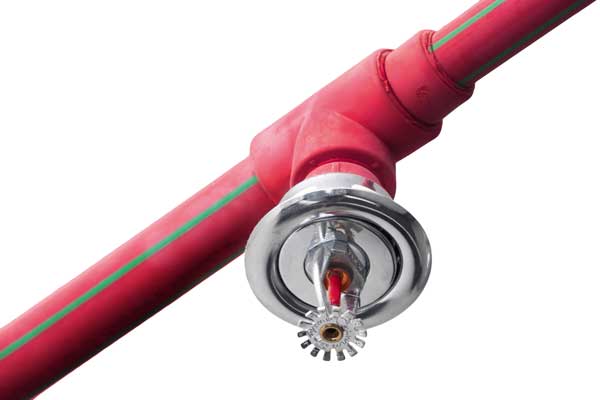
Fire Sprinkler systems are active systems that react to the presence of smoke, or the heat generated by fire. Fire sprinklers alert occupants and transport water to suppress a fire. Fire sprinklers are generally designed to save lives by delaying the spread of the fire to allow occupants to evacuate.
Fire Suppression systems are active systems that use foam, inert gas, or chemical powders to extinguish a fire. Suppression equipment is generally designed to protect equipment, irreplaceable assets, and products that do not react well with water.
Fire Suppression Principles
A fire needs three elements to start and continue: oxygen, fuel, and heat or spark. Fire suppression equipment separates one or more of these elements to extinguish the fire. All three suppressants separate fuel from oxygen; some gas suppressants also separate the heat or flame from the fuel.
Foam Applications
Grease, oil, and petroleum products are less dense than water and float on the surface of the water. Applying water to grease or oil that is burning tends to spread the fire. Adding water to some hazardous chemicals causes the chemicals to leach into groundwater or enter a freshwater stream. When water encounters certain chemicals, the result is a volatile chemical reaction. The foam makes a mess but is usually harmless when it contacts human skin. Applications that typically use foam fire suppressants are commercial kitchens, fueling stations, and aircraft hangars.
Gas Applications
Another fire suppression system focuses on preserving the equipment or contents in enclosed spaces; the application of water might extinguish the fire but destroy the content. Non-flammable gases, which are heavier than surrounding air, push the oxygen from the immediate vicinity of the fire and extinguish the flame. Since it also removes the oxygen necessary for human breathing, humans must be evacuated before the gas is released. Applications for gas fire suppression systems include computer server rooms, heavy manufacturing plants, museums, and archives.
Powder Applications
A dry chemical application fire suppressant coats the fuel source and separates it from oxygen. The chemical is widely dispersed to cover a large area. Typical applications include large industrial storage facilities, petrochemical loading facilities, and paint application facilities, such as auto paint booths. Applying water to fires in these settings can be hazardous and environmentally damaging.
Have a question about Fire Suppression Systems?
Call Fire Safe Protection Services today at 713-722-7800 or visit our online form and we will be in contact as soon as possible about your questions regarding Fire Sprinkler Heads.