
 713-722-7800
How to Winterize Your Fire Sprinklers
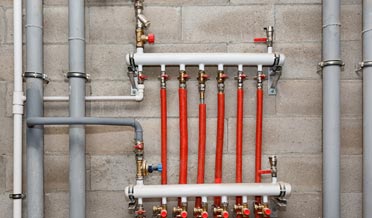
Get Your Fire Sprinklers Ready for Winter
Fire sprinklers are more effective than most people realize at keeping fires small and protecting people and property from serious damage. Fire sprinklers are automatic and do not require monitoring. Ninety-five percent of fires that trigger a fire sprinkler are contained in the room of origin. It is estimated that fire sprinklers save 15 billion dollars in property every year, and that is quite remarkable.
It is important to maintain and care for fire sprinkler systems, and the best source of information concerning sprinkler maintenance is the National Fire Protection Association 25 Standard. This organization researches fire safety equipment, installation, maintenance, and procedures, analyzing the impact on commercial and heavy residential facilities. The guidelines of NFPA 25 are not mandatory, but they have become the basis for federal, state, and local building codes. Complying with the guidelines will become necessary to meet fire and safety requirements.
Many of the Fire Sprinklers guidelines found in NPFA 25 are common sense tasks, but they need to be completed regularly.
- Simple visual examinations of sprinkler heads, ensuring that sprinkler heads are not leaking or showing signs of corrosion. It is important to ensure nothing is positioned too close to the sprinkler to prohibit an effective spray pattern.
- Annual inspections and testing are conducted to ensure the system is functioning properly and ready in case of a fire event. Inspection guidelines extend to every component, from valves to fire pumps. Certain components or conditions (such as a water supply with corrosive compounds).
- The guidelines recommend inspecting a portion of the inside of sprinkler pipes every five years. This ensures that organic or mineral compounds do not clog or restrict water flow. If a blockage is discovered, steps will need to be taken to restore water flow.
- The guidelines recommend the replacement of gauges, valves, and sprinkler heads at given intervals. Expect recommendations for the replacement of heads near high heat sources, such as ovens or kilns.
- Guidelines are designed for maintaining fire sprinkler systems that are vulnerable to cold weather. Some sprinklers will be dry to prevent the water from freezing. A valve will respond to an alarm, releasing water only during a fire event in cold or frozen zones.
These guidelines are developed from decades of best practice experience and analysis of less satisfactory experiences.
Beyond fire safety protection, maintaining the fire sprinklers as part of a larger fire protection system is extremely beneficial to any facility, large or small.
- The objective of sprinkler maintenance is to ensure the system functions in the unfortunate event of a fire. Each component will need to perform as designed for the evident fire threat.
- When the system is determined to function properly, confidence in the system is maintained. Few people will think about it, but those who do will be certain of a positive execution.
- Maintaining the system properly will catch small problems in time for minor repairs, preventing them from becoming large, expensive problems.
- Being compliant goes way beyond meeting minimum regulations; it also meets insurance requirements, keeping your costs down. A safe work environment attracts and retains quality employees. The facility becomes a model neighbor to emergency responders and the surrounding community.
- A well-maintained system will last significantly longer than a poorly maintained system.
If you have questions about winterizing your Fire Sprinklers, we can help.
Call Fire Safe Protection Services today at 713-722-7800 or visit our online form and we will be in contact as soon as possible about your Fire Sprinklers questions.