 713-722-7800
Important Winter Fire Safety Tips
Winter Fire Safety for Your Commercial Fire Protection System
We survived the latest holiday season, hurray! For the next few months, winter sets in, and the discomfort of cold and winter weather can easily distract attention away from vigilance concerning fire safety. Here are a few things to remember.
Winter Fire Safety: General Dangers
The top causes of commercial fires year-round are cooking processes, heating equipment (including manufacturing and industrial applications and HVAC systems), and faulty wiring/electrical problems. Stay on top of these problems with excellent maintenance schedules:
- Food preparation combines high heat and flammable/combustible materials, so it is not surprising the combination causes many commercial fires. Hood vents, fire suppression equipment, and fire extinguishers should be cleaned, inspected, and tested as required.
- HVAC systems, large and small, should be inspected and tested annually. Air filters should be changed or cleaned at least quarterly.
- Federal, state, and local regulations codify regular inspections, which include inspections of electrical closets and the area around service panels. Keep these areas clear of clutter and debris; they should not double as general storage areas.
Winter Fire Safety: Seasonal Dangers
- Holiday lights and potluck meals should be a reminder that extension cords should only be used temporarily. It is easy to gradually add devices to outlets or cords, ending up with perpetually overloaded circuits. Adding outlets is a better permanent solution.
- Hopefully, you have a candle/flame policy; if so, do not relent since an open flame poses a greater danger in a commercial setting.
- It is also tempting to customize comfort by adding personalized supplemental heat—little space heaters brought from home. Layering clothes should be adequate to supplement the HVAC system. Space heaters are dangerous in a commercial setting.
Find some time during slow periods for training and reminders to staff concerning fire safety procedures:
- Make sure everyone, new staff and old, is comfortable and familiar with fire safety procedures. Train or drill concerning evacuation routes.
- During an emergency, certain individuals will need to carry out specific tasks, such as communicating with local emergency responders. Find time to review and train staff concerning these responsibilities.
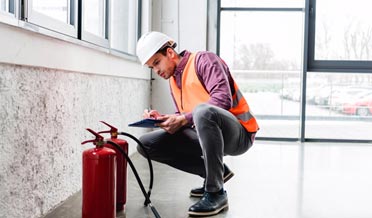
- Inspect fire safety equipment, such as fire extinguishers and automatic external defibrillators.
- Change batteries for key fire protection devices, such as carbon monoxide detectors and emergency lighting.
Winter Fire Safety: Frozen Hazards
Fire sprinklers are essential fire protection structures, but they can be vulnerable during winter months:
- Fire sprinklers that cover refrigerated, frozen, or outdoor spaces should use a dry or staged approach to fire suppression. A valve holds water back inside the conditioned space until activated by flame or heat. This reduces the likelihood of frozen sprinkler lines.
- Inspect the fire pump before temperatures drop and make it impossible to test.
- Clearing snow or ice from sidewalks and fire lanes is essential to emergency preparedness. It might not happen often but always be prepared.
Inspection, regulation, and code are the languages of care for fire protection systems. A local fire protection company can help you interpret the jargon, avoid problems, and keep your staff and guests safe.
If you have questions about Winter Fire Safety, we can help.
Call Fire Safe Protection Services today at 713-722-7800 or visit our online form and we will be in contact as soon as possible about your Winter Fire Safety questions.