 713-722-7800
Industrial Fire Protection Inspection
The Industrial Fire Protection Inspection Process
Since fire safety programs grow complex with the size and use of a facility, Fire Safe offers comprehensive Industrial Fire Protection services to assist owners/managers with fire code compliance. Our goal is to protect lives and property by ensuring a client’s fire safety protection system functions properly in the unlikely event of a commercial fire. These services include:
Alarm and Detector Inspections
Detectors often warn occupants of danger before a flame flares. Some detectors are simple and single units. Other detectors are connected in a network, scattered throughout a facility, and communicate the precise location of the potential problem.
Pull alarms are human-activated and may also be connected to a network, designating precise location. These systems need to be tested and inspected by a professional without activating the alert program.
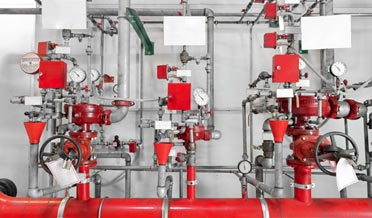
Fire Sprinkler System Inspections – Industrial Fire Protection Inspection
Some fire sprinklers use water to quickly extinguish a flame at the source. Some fire sprinklers use water to slow the spread of the flame during evacuation before the arrival of emergency responders. Sprinkler heads are sealed by a thin glass bulb; when the bulb breaks, water flows. Inspection and testing need to be completed by professionals to ensure sprinklers do not activate during the inspection process.
Fire Suppression System Inspections – Industrial Fire Protection Inspection
Some fires cannot/should not be extinguished by water for a variety of reasons.
- Oil, grease, and fat are less dense than water. When they ignite, water lifts the oil and spreads the flame.
- Water can damage electronics, documents, or artwork faster than a flame.
- Water also reactions explosively with certain chemicals
Fire suppression systems may use foam, gas, or dry powder to extinguish a flame when water is not an option.
Fire Extinguisher Inspection
Fire extinguishers are hand-held versions of larger fire suppression systems. They are designed to use chemicals under pressure to put out small flames before they become big flames.
Extinguishers use a variety of chemicals for a variety of fire suppression, but all use pressure. Inspection is required to ensure the pressure has not leaked away and left an extinguisher ineffective.
Complete Safety Program Inspections
Components are added to the suppression and sprinkler systems to communicate and assist anyone involved with a fire event.
- Fire doors close with an alert
- Exit lights communicate with occupants left in the dark and emergency flood lights illuminate evacuation corridors
- Loud sounds and verbal instructions are often broadcast to occupants
- Communication systems automatically activate, alerting the local fire protection responders of the trouble
- Other system components may also be involved
All these system components need to be inspected and tested at various intervals without activating them. Since this seems rather overwhelming, Fire Safe provides qualified professionals with the equipment and training necessary to complete all these inspections and more.
If you have questions about Industrial Fire Protection Inspection, we can help.
Call Fire Safe Protection Services today at 713-722-7800 or visit our online form, and we will be in contact as soon as possible about your Industrial Fire Protection Inspection questions.