 713-722-7800
Kitchen Fire Safety: Exhaust Cleaning Standards
Kitchen Fire Safety Standards
Americans love to eat out! For decades, we have spent between $300 and $400 billion annually in bars and restaurants and post-pandemic spending is bouncing back nicely. The atmosphere is great when people who love to cook and to serve to connect with people who enjoy eating and being served. In such an atmosphere it is easy for chefs and restaurateurs to forget about Kitchen Fire Safety in commercial kitchens.
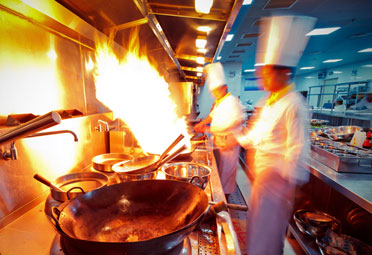
According to the National Fire Protection Associate (NFPA), more than 7,000 fires start in eating establishments each year.1 In the kitchen are flames, high heat, animal fat, cooking oil, food, and paper. It is not surprising that these factors account for more than 60% of the fires in commercial kitchens. Flames that reach the exhaust vent can ignite any grease buildup and spread quickly. Restaurant owners and managers can take steps to reduce the risk of kitchen fires, especially fires that originate around cooking surfaces.
The staff must be trained to keep the cooking area clean and uncluttered, to separate flame/heat sources and fuel, and dispose of grease daily. NFPA 96 contains the minimum criteria for maintaining exhaust vents and grease traps for commercial kitchens.2 Both the Texas Fire Code3 and Harris County Fire Code4 inspection requirements for grease buildup depend upon the type of food and volume served.
- High-volume kitchens require quarterly inspection
- Moderate-volume kitchens require semiannual inspection
- Low-volume kitchens require annual inspection
It also requires the entire cooking exhaust system to be cleaned thoroughly; hoods, filters, fans, and both horizontal and vertical surfaces of the ductwork. The Kitchen Fire Safety cleaning technique is defined by the criteria.
Meeting the fire codes will help protect the kitchen, staff, and guests while failing to meet the code increases the chance of fire. Local fire authorities know the importance of inspections. In addition to the potential loss of life and property, your restaurant is at risk for a significant fine and more attention than imaginable. Cleaning grease around and above your cooking surfaces is an important safety measure, so do not neglect it. Train your staff. Schedule cleaning. Expect excellence. Find a certified hood and duct cleaning company. Certification entails training and exams to ensure technicians can complete services according to the fire code.
Have questions about Kitchen Fire Safety?
Call Fire Safe Protection Services today at 713-722-7800 or visit our online form and we will be in contact as soon as possible about your Kitchen Fire Safety questions.
1 https://www.nfpa.org/News-and-Research/Data-research-and-tools/Building-and-Life-Safety/Eating-and-drinking-establishments
2 https://www.nfpa.org/codes-and-standards/all-codes-and-standards/list-of-codes-and-standards/detail?code=96
3 https://www.tdi.texas.gov/fire/documents/fmextingstat201.pdf
4 http://www.hcfmo.net/portals/15/Documents/HCFIRECODE_AMEND_12.15.2020.pdf include NFPA 96