 713-722-7800
Oil and Gas Industry Fire Safety
Oil and Gas Industry Fire Safety Essentials
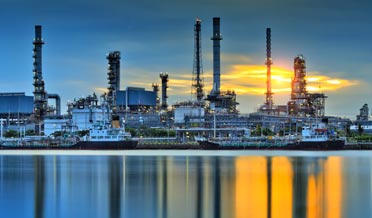
Every company dealing with the oil and gas industry, whether large or small, must take the potential of risk and liability very seriously. These products include flammable liquids, explosive gases, and chemicals hazardous to the environment. This industry is known for its complex infrastructure and vast reach of operations, creating unique challenges for Oil and Gas Industry Fire Safety.
Locations often house a variety of hazardous, flammable, and explosive materials. Beyond the risks of fire and explosion is the potential for pollution of the air, water, and land. When a fire or leak results in the loss of massive amounts of product it will hurt the economy.
Since oil and gas pose potential harm to people, facilities, the environment, and loss of assets, oil and gas business models need to include robust safety protocols. These protocols need to be developed in cooperation with certified fire and life safety professionals to establish comprehensive fire safety protocols for each unique business and facility.
Often, mistakes lead to very large events such as Valdez and Deepwater, but even small problems become long-term and expensive cleanup problems. They are extreme reminders of the impact of a careless approach to fire and safety protocols.
The Oil and Gas Industry Fire Safety protocols should include:
- Reducing the risk to people and property, assets, and the environment.
- Improving the situational awareness of the operational staff and aiding in real-time decision-making.
- Aiding the rapid deployment of fire and emergency personnel.
- Fully utilizing all the available resources including newly developed options.
- Adjusting training and equipment as needed.
Protocols will include these tasks and more.
Comprehensive Site Assessment. The entire facility should be inspected to identify both large and small risks. This includes large storage tanks and small garages containing lubricating supplies and adhesives, identifying every hazard and vulnerability.
Properly Store Flammable and Explosive Materials. Apply industry standards and regulations for safe storage and containment. Containment will protect against the escalation of a fire and damage from a leak.
Protective Personal Equipment (PPE). PPE must be stored close to the site of potential risk and in sufficient supply to protect people as they deal with emergencies. This includes:
- Flame-retardant clothing
- Goggles
- Helmets
- Respirators
Cutting Edge Fire Safety Equipment. Managing a site includes using the latest technology advances for fire detection and suppression. The equipment might include:
- Advanced fire sensors that will detect the slightest hint of smoke, heat, or the presence of gas.
- Localized immediate suppression devices that can deploy instantly, before a spark can ignite a flame.
- Automatic deluge systems that disperse foam-based suppression chemicals rapidly and widely, suffocating flames immediately and preventing the spread of a fire.
- Surveillance drones, closed-circuit television, and remote monitoring equipment. Comprehensive surveillance coverage should include the entire operational area since the risk is very broad.
Emergency Preparedness Plans. Technology and training need to be a part of the preparations. They include:
- Evacuation routes that change with any facility update. The staff needs to be aware of the safest evacuation route from any location and be trained to move without panic. Training will ensure staff awareness.
- Emergency routes into the facility for emergency and fire personnel, with alternative routes based on fire locations.
- Computer simulations and predictive modeling help decision-makers improve emergency planning.
- Regular inspection and testing of detection and suppression equipment. Fire codes regulate much of the inspection and testing.
- Planned assessment should include education concerning research and improvements of equipment and technology that impact the industry and facility.
These devices and planning scenarios need to be reviewed regularly to ensure best practices and maintenance are always in place. These steps reduce the risk and the liability for the business, staff, and the environment.
Oil and Gas Industry Fire Safety from the Experts at Fire Safe
Call Fire Safe Protection Services today at 713-722-7800 or visit our online form, and we will be in contact as soon as possible about your Oil and Gas Industry Fire Safety questions.