
 713-722-7800
9 Steps for Retrofitting Fire Sprinklers
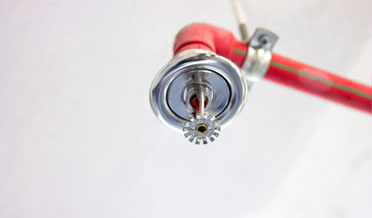
The Importance of Retrofitting Fire Sprinklers for Your Business
Research, recently completed by the National Fire Protection Association over four years, revealed that fire sprinkler systems are extremely effective in reducing loss and damage during structure fires. During 52,948 structure fires:
- 94% of the damage was confined to the object or room of origin
- Damage was reduced to 10% of the damage from structural fires without sprinklers
- 1% of these fires resulted in loss of human life and 8% resulted in human injury
For this reason, new construction of commercial facilities includes fire sprinklers by building code. For the same reason, Retrofitting Fire Sprinklers in existing buildings with new fire sprinklers is often required and desirable.
Why Add Fire Sprinklers?
Commercial properties are generally constructed with the materials and methods required at the time of construction. Older buildings may have been constructed without fire sprinklers. Other buildings had “state-of-the-art” sprinkler technology, but new technologies render these sprinklers ineffective and obsolete. In these situations, it is often necessary to upgrade the buildings and Retrofitting Fire Sprinklers of the structure with new fire sprinklers, including when:
- Building code mandate changes
- A building has a new occupant and/or a new building use
- The risk of fire requires improving fire safety
- Attempting to preserve historic buildings
- A building is set among others and holds fire risk to other buildings
What is Involved in Retrofitting Fire Sprinklers?
Retrofitting a structure is a process that requires planning and coordination. If the work is completed while the building is in use, the scheduling becomes extremely complicated. Plan to involve fire safety professionals, building/business owners, regulatory agencies, and subcontractors. The process is common to most settings and scalable to the size of the facility.
- Facility Evaluation. This may take a while, so plan for several days of wandering around, measuring, searching obscure closets, and lots of looking up. The evaluation step will inquire into existing safety features, safety deficits, the building layout, occupancy, and fire hazards.
- Design and Scheduling. The results of the evaluation are compared to existing fire and building codes to determine design guidelines. The drawings and specifications will undergo repeated scrutiny, changes, rewrites, and assessments. The goal is to have the construction plans necessary to install the desired fire sprinkler system.
- Code Compliance. The local compliance agency (agencies) will review the design schematics and determine whether they meet the current building/fire codes. Construction cannot begin until permits are issued by the necessary agencies. Be patient. This often takes a little time.
- Investigating the Water Supply. While the permit process grinds along, plan any potential water supply upgrades. The new sprinkler system will require a designated water supply in sufficient quantity to charge the entire sprinkler system with enough pressure to extinguish a fire on any level of the building.
- The next step requires significant labor and coordination. Installation of fire sprinklers is probably happening alongside other building activities. Scheduling may also take into consideration normal business activities. Expect the building and/or business owner to be very involved in scheduling.
- Testing and Commissioning. These are similar steps completed by different groups. First, the fire protection professionals will test the newly installed system and work out any problems or issues. After the contractors are convinced the system performs properly, the compliance agency representatives will investigate and test the system. This process is called commissioning and (hopefully) results in agency approval.
- As-built Drawings. The final construction documents will be left with the owner to facilitate further changes, improvements, or changes, but they must reflect all of the changes made during construction.
- Staff Training. A fire sprinkler system is usually a part of a much larger fire protection plan, including alarms, evacuation plans, and emergency responder communication. The building staff needs to be trained in all aspects of the protection plan, including familiarity with sprinkler activation.
- Inspection and Maintenance Schedules. Like any mechanical system, the sprinkler system will need some care and maintenance. Regulatory agencies will mandate scheduled inspections and testing, some by building staff and some by fire safety professionals.
Call Fire Safe For Help with Retrofitting Fire Sprinklers for Your Business
Call Fire Safe Protection Services today at 713-722-7800 or visit our online form, and we will be in contact as soon as possible about your Retrofitting Fire Sprinklers questions.